Why You Need Salt In Your Diet? A Low Sodium Diet Can Lead To Heart Failure Death | TheHealthSite.com - TheHealthSite
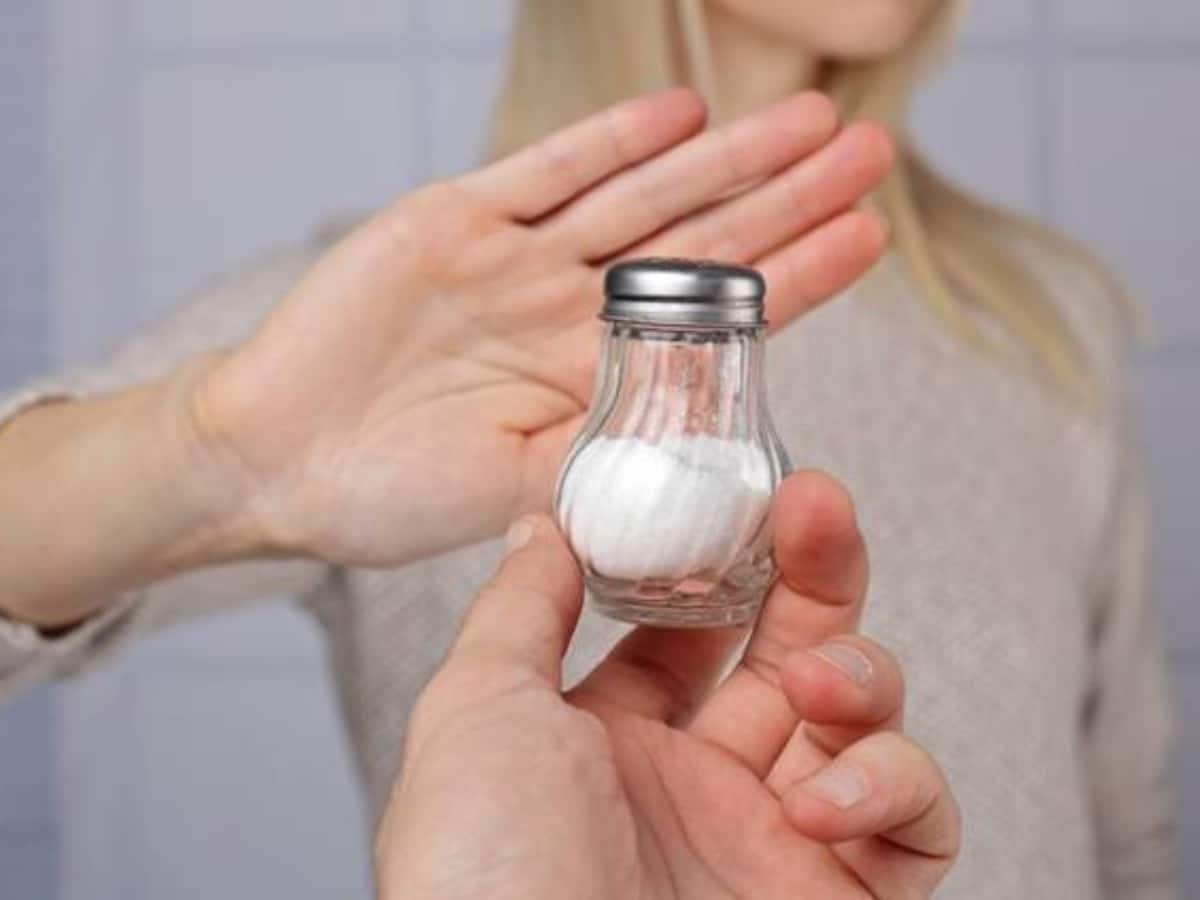
There is a deeply held belief in the scientific community, as reflected by multiple recommendations by apex scientific organizations overworld that significant reductions in dietary sodium intake improve cardiovascular health. However, a recent critical review of previous data and recent evidence suggest a higher risk of cardiovascular disease with a low sodium diet, including in individuals with type 2 diabetes. This negative cardiovascular effect of low sodium intake may be related to the other pleiotropic effects of dietary sodium intake. Therefore, despite a recent review of dietary sodium intake guidelines by multiple organizations, including the nutritional guidelines for Americans, American Diabetes Association, and American Heart Association, concerns about the impact of the degree of sodium restriction on cardiovascular health continue to be raised.
Low Sodium Diets Can Also Be Harmful To Your Health
We know that sodium restriction leads to decreased blood pressure, reduced left ventricular mass, decreased antiproteinuric effect of drugs for albuminuria, and decreased pro-inflammatory state. But the negative effect of sodium restriction includes increased cholesterol, an increase in catecholamines, and an increase in renin-angiotensin-aldosterone system activation. Some recent studies demonstrated that low sodium diets might increase insulin resistance, increasing the propensity to develop diabetes and heart disease. However, these studies varied in length, study population, and degree of salt restriction, which may explain the inconsistent results.
Risks Associated With A Low Sodium Diet
Several observational studies have looked at the effects of low sodium diets on heart attacks, strokes, and the risk of death and found that less than 3,000 mg of sodium per day is linked to an increased risk of dying from heart disease, including heart attacks and strokes. But some studies have reported contrarian results as well.
Also Read
More News
Increases heart failure risk
In patients with heart failure, decreased salt intake is associated with reduced chances of heart failure episodes. Still, as per one of the studies, excessive salt restriction increases the likelihood of dying by 16%. Therefore the salt restriction in these conditions should be in moderation.
Elevates cholesterol levels
Elevated BP is only one of the factors apart from diabetes and an increase in cholesterol and triglyceride level that increase the chances of heart attack, and studies have found that low sodium diets may increase both LDL (bad) cholesterol and triglyceride levels. In healthy people, low sodium diets caused a 2.5 - 4.6% increase in LDL (bad) Cholesterol and a 5.9 - 7% increase in triglyceride levels. This may lead to an increased chance of heart attack and mortality.
Risk of death from type 1 and 2 diabetes
Many guidelines that restrict salt intake for diabetes recommend decreasing salt intake as these people are at high risk for heart attack and stroke. However, some studies have found an association between low sodium intake and an increased risk of death among those with both type 1 and type 2 diabetes. Though there is conflicting data, the salt limitation should be in moderation as sodium deficiency also increases insulin resistance.
Other risks involved
Sodium deficiency may lead to severe symptoms, which include a feeling of weakness and lethargy, and in extreme cases, the brain may swell, which can lead to headaches, seizures, coma, and even death. Specific populations, like older adults, have a higher risk of hyponatremia. Still, they are more likely to have an illness or take medication to reduce sodium levels in the blood. One should be especially careful with this population as a salt deficiency may lead to rapid deterioration in their health and increase the risk of death.
(The article is contributed by Dr Nityanand Tripathi, Director and unit head, cardiology and electrophysiology, Fortis Hospital Shalimar Bagh)
Total Wellness is now just a click away.
Follow us on


Comments
Post a Comment